

Preparing for Home Appraisals: How to Effectively Prepare for a Home Appraisal

When it comes to selling or refinancing a home, the appraisal process plays a crucial role. A home appraisal determines the market value of your property, influencing loan approvals and sale prices. Preparing for this event can feel overwhelming, but with the right approach, you can help ensure a smooth and accurate appraisal. I will guide you through practical steps to get ready and make the most of this important process.
Understanding the Importance of Preparing for Home Appraisals
Preparation is key to a successful home appraisal. The appraiser will assess your property’s condition, features, and comparable sales in the area. If your home is well-maintained and presents well, it can positively impact the appraisal value. Conversely, neglect or disorganization can lower the perceived value.
To prepare effectively, start by reviewing your home’s key features and recent upgrades. Gather documentation such as receipts for renovations, property tax records, and a list of improvements. This information helps the appraiser understand the value you have added to the home.
Additionally, clear communication with the appraiser is important. Be ready to provide access to all areas of the home and answer any questions they may have. Being cooperative and organized can leave a good impression and support a fair evaluation.

Practical Steps for Preparing for Home Appraisals
Preparing your home for an appraisal involves several straightforward actions. Here are some key steps to follow:
Clean and Declutter
A clean home looks well cared for. Remove clutter from all rooms, including closets and storage areas. Clean floors, windows, and surfaces thoroughly.
Complete Minor Repairs
Fix leaky faucets, broken tiles, cracked windows, and other small issues. These repairs show that the home is maintained and can prevent negative marks.
Enhance Curb Appeal
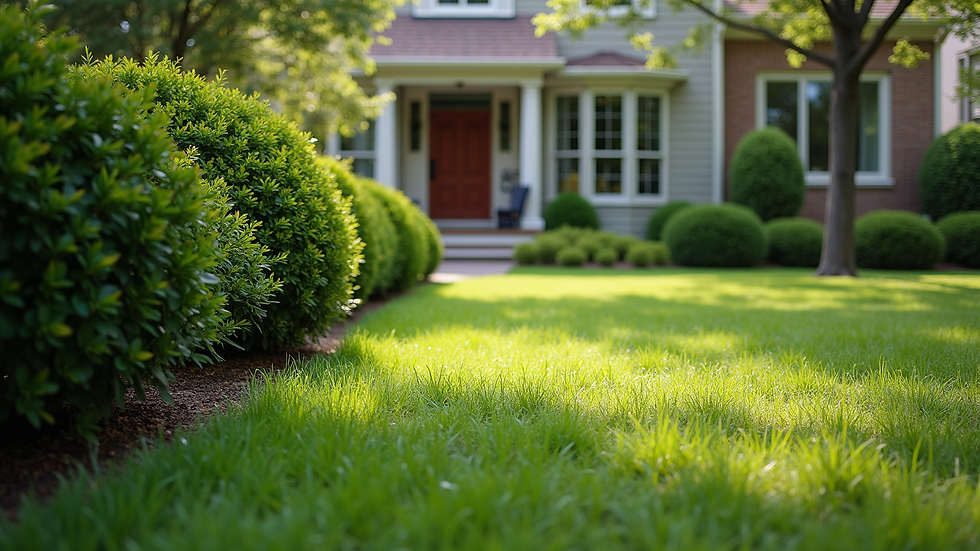
The exterior is the first thing the appraiser sees. Mow the lawn, trim bushes, and remove debris. Consider adding fresh mulch or flowers for a neat appearance.
Provide Access to All Areas
Ensure the appraiser can easily access the attic, basement, garage, and any outbuildings. Clear pathways and unlock doors if necessary.
Highlight Upgrades and Features
Prepare a list of recent improvements such as new appliances, HVAC systems, or energy-efficient windows. Include receipts or warranties if available.
Gather Comparable Sales Data
If you have information on recent sales of similar homes nearby, have it ready. This can help the appraiser understand the local market context.
Keep Pets Secured
Pets can be distracting or intimidating. Arrange for them to be out of the way during the appraisal.
By following these steps, you create a positive environment that supports an accurate appraisal.
What Negatively Affects Home Appraisals?
Certain factors can lower your home’s appraisal value. Being aware of these can help you address or mitigate them before the appraisal:
Poor Maintenance
Visible damage, peeling paint, or signs of neglect can reduce value.
Outdated Systems
Old plumbing, electrical, or HVAC systems may be seen as costly to replace.
Unpermitted Renovations
Improvements without proper permits can raise red flags.
Clutter and Dirt
A messy home can give the impression of neglect.
Structural Issues
Cracks in the foundation, roof damage, or water intrusion are serious concerns.
Unusual Layouts or Features
Highly customized or unusual designs may not appeal to all buyers.
Market Conditions
A slow real estate market or declining neighborhood values can impact appraisal.
Addressing these issues ahead of time can help improve your home’s appraisal outcome.
How to Communicate Effectively with Your Appraiser
Building a good rapport with the appraiser can make a difference. Here are some tips for effective communication:
Be Polite and Professional
Greet the appraiser and offer to answer questions.
Provide Documentation
Share your list of upgrades, receipts, and comparable sales data.
Point Out Unique Features
Highlight aspects that add value but may not be obvious.
Avoid Over-explaining
Let the appraiser do their job without pressure.
Respect Their Time
Keep interactions brief and focused.
Good communication helps the appraiser understand your home’s value clearly.
Final Tips for a Smooth Appraisal Experience
To wrap up, here are some final recommendations to ensure the appraisal process goes well:
Schedule the appraisal at a convenient time when the home is clean and quiet.
Make sure all utilities are on and functioning.
Remove personal items and valuables to create a neutral space.
Keep pets secured or off-site during the visit.
Follow up politely if you have questions after the appraisal.
If you want to learn more about how to prepare for a home appraisal, reliable resources like CMS Appraisals Inc provide expert guidance tailored to your local market.
Taking these steps will help you feel confident and ready. A well-prepared home appraisal supports accurate valuations and smoother real estate transactions.


Comments