

Seller Home Appraisal Checklist: A Seller’s Guide to Preparing Your Property

Selling a home involves many steps, and one of the most important is the home appraisal. A home appraisal determines the market value of your property and can influence the sale price and financing options. Preparing for an appraisal can feel overwhelming, but with the right approach, you can help ensure a smooth process and a fair valuation. This guide offers a clear seller home appraisal checklist to help you get ready.
Understanding the Seller Home Appraisal Checklist
Before the appraiser arrives, it’s essential to prepare your home and gather relevant information. This preparation can make a significant difference in the appraisal outcome. Here’s what you need to focus on:
Clean and declutter your home: A tidy home looks well-maintained and can positively influence the appraiser’s impression.
Complete minor repairs: Fix leaky faucets, cracked tiles, or broken door handles. These small issues can lower the perceived value.
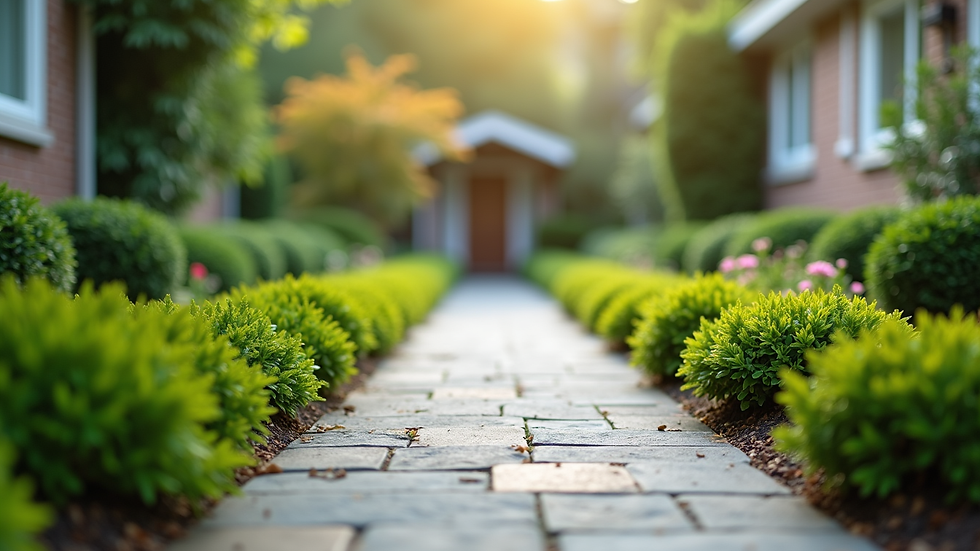
Enhance curb appeal: First impressions matter. Mow the lawn, trim bushes, and clean walkways.
Gather documentation: Prepare a list of recent upgrades, improvements, and comparable sales in your neighborhood.
Ensure access to all areas: The appraiser will want to inspect the attic, basement, garage, and any outbuildings.
Taking these steps shows that you care about your property and helps the appraiser assess its true value.

Key Steps in the Seller Home Appraisal Checklist
To make the process easier, follow this detailed checklist:
Clean Every Room Thoroughly
Dust, vacuum, and remove clutter. Pay special attention to kitchens and bathrooms, as these rooms often influence value.
Fix Visible Issues
Repair broken windows, doors, or fixtures. Replace burnt-out light bulbs and tighten loose handles.
Highlight Upgrades and Renovations
Provide receipts or records for new appliances, HVAC systems, roofing, or flooring.
Prepare a List of Comparable Sales
Research recent sales of similar homes nearby. This helps the appraiser understand the local market.
Ensure Easy Access
Clear pathways to the attic, basement, and utility rooms. The appraiser needs to inspect these areas.
Turn on All Lights
Bright rooms appear larger and more inviting.
Check Exterior Condition
Clean gutters, power wash siding, and repair fences if needed.
Remove Pets and Secure Valuables
Pets can distract the appraiser. Secure valuables to avoid any concerns.
Following this checklist will help you present your home in the best possible light.
What are the red flags for home appraisals?
Certain issues can raise concerns during an appraisal and potentially lower your home’s value. Being aware of these red flags allows you to address them before the appraisal:
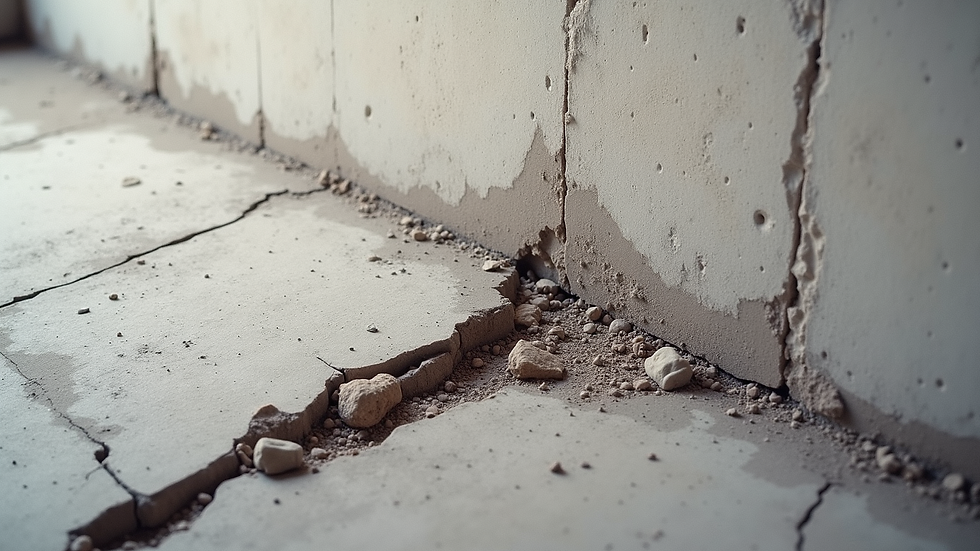
Structural problems: Cracks in the foundation, uneven floors, or sagging roofs are serious concerns.
Water damage or mold: Signs of leaks or mold growth can scare off buyers and appraisers alike.
Outdated systems: Old electrical wiring, plumbing, or HVAC systems may require costly updates.
Unpermitted renovations: Improvements made without permits can complicate the appraisal.
Poor maintenance: Neglected landscaping, peeling paint, or broken fixtures suggest the home has not been cared for.
Inconsistent square footage: Discrepancies between listed and actual size can cause confusion.
If you identify any of these issues, consider consulting a professional to evaluate repairs or provide documentation before the appraisal.
How to Communicate Effectively with Your Appraiser
Building a good rapport with the appraiser can help ensure a thorough and fair evaluation. Here are some tips:
Be available but not intrusive: Let the appraiser do their job without hovering.
Provide documentation upfront: Share your list of upgrades, repairs, and comparable sales.
Point out unique features: If your home has energy-efficient appliances or custom finishes, mention them.
Answer questions honestly: Transparency builds trust.
Avoid exaggeration: Stick to facts and avoid overselling.
Clear communication helps the appraiser understand your home’s value and can prevent misunderstandings.
After the Appraisal: What to Expect and Next Steps
Once the appraisal is complete, you will receive a report detailing the appraiser’s findings and the estimated market value. Here’s what to do next:
Review the report carefully: Check for errors in square footage, number of rooms, or condition.
Compare with your expectations: If the value is lower than expected, consider why.
Discuss discrepancies: If you find mistakes, contact the appraiser or your real estate agent to request a review.
Prepare for negotiations: The appraisal can affect your sale price or loan approval.
Plan repairs if needed: Sometimes, addressing appraisal concerns can increase value.
Being proactive after the appraisal helps you stay in control of the selling process.
For a detailed and printable version of this guide, you can refer to this home appraisal checklist for sellers.
Final Thoughts on Preparing for Your Home Appraisal
Preparing for a home appraisal is a critical step in selling your property. By following this seller home appraisal checklist, you can help ensure the appraiser sees your home’s true value. Remember to focus on cleanliness, repairs, documentation, and clear communication. These efforts can lead to a smoother appraisal process and a better outcome.
Taking the time to prepare shows professionalism and care. It also helps you avoid surprises and make informed decisions. Whether you are a homeowner, real estate agent, attorney, or accountant, this checklist provides practical steps to support a successful home appraisal.


Comments